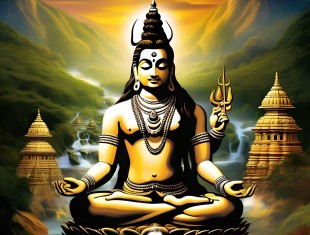
Har Har Mahadev
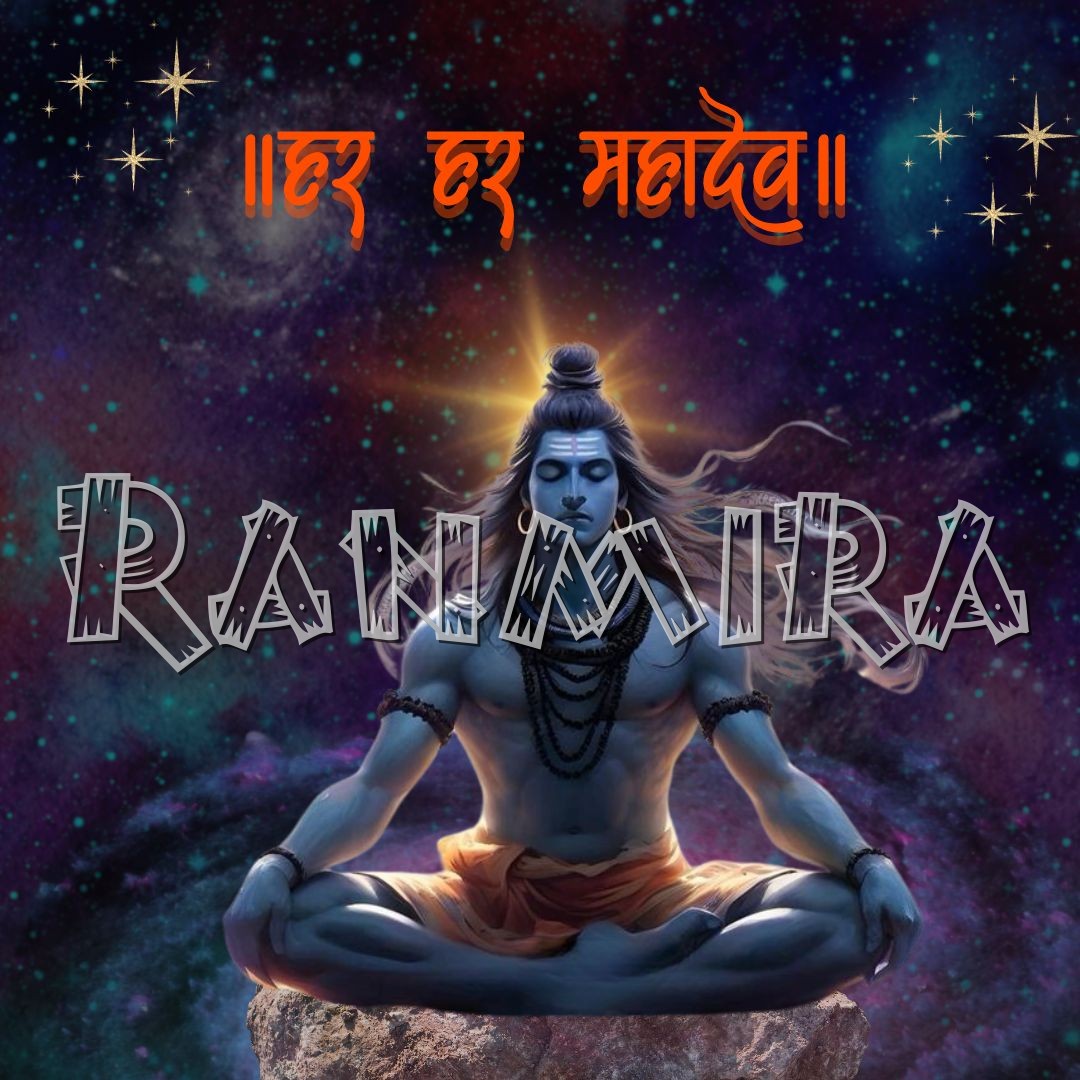
Description
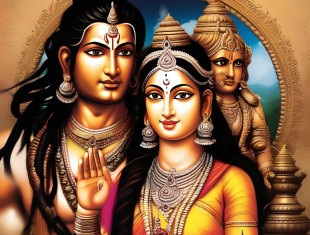
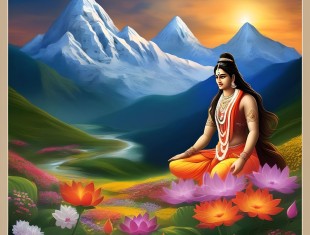
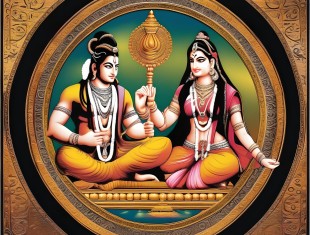
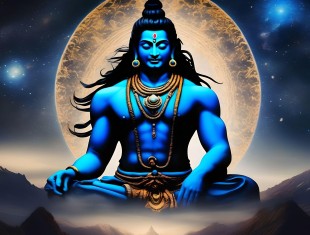
Lord Shiva, one of the principal deities of Hinduism, is worshipped as the Supreme Being in the Shaivism tradition. Known as "The Destroyer" within the Trimurti, the Hindu trinity that includes Brahma (The Creator) and Vishnu (The Preserver), Shiva embodies many attributes and is revered for his complex nature and significant role in Hindu mythology. Here are some key aspects of Lord Shiva: Iconography: Third Eye: Shiva is often depicted with a third eye on his forehead, symbolizing wisdom and insight. It is said to emit fire, representing his destructive energy. Crescent Moon: The crescent moon on his head signifies the cyclical nature of time and the power to control it. Matted Hair: His hair is typically depicted in dreadlocks, symbolizing his ascetic nature and his connection to the Ganges River, which flows from his hair. Trident (Trishul): The trident represents his ability to destroy evil and ignorance. It also symbolizes the three fundamental aspects of existence: creation, preservation, and destruction. Serpent: A serpent around his neck symbolizes his mastery over fear and death. Ashes: Shiva is often depicted covered in ashes, signifying the transcendence of the physical body and material possessions. Forms: Nataraja: The cosmic dancer who performs the Tandava, symbolizing the cosmic cycles of creation and destruction. Ardhanarishvara: The combined form of Shiva and Parvati, representing the unity of male and female principles. Pashupatinath: Lord of animals, highlighting his role as a protector of all beings. Lingam: A phallic symbol representing his creative power and energy. Consort: Parvati: Shiva's consort, who represents Shakti, the feminine energy. Together, they embody the perfect balance of male and female principles. Ganesha and Kartikeya: Shiva and Parvati are the parents of these two significant deities. Ganesha is the remover of obstacles, and Kartikeya is the god of war. Attributes: Asceticism: Shiva is often depicted as an ascetic meditating in the Himalayas, symbolizing his renunciation of worldly pleasures and his mastery over the mind and senses. Benevolence and Destruction: He is both a benevolent deity who grants boons and a fierce destroyer of evil and ignorance. His destructive aspect is not negative but a necessary part of the cycle of creation, preservation, and dissolution. Festivals: Maha Shivratri: The most important festival dedicated to Shiva, observed with fasting, night-long vigils, and special prayers. Shravan Month: The month of Shravan (July-August) is considered highly auspicious for worshipping Shiva, with devotees performing various rituals and fasting. Sacred Texts: Shiva Purana: One of the major Puranas dedicated to Shiva, detailing his myths, legends, and worship. Linga Purana: Focuses on the worship of Shiva in the form of the lingam. Lord Shiva's multifaceted nature, embodying both asceticism and householder life, destruction and benevolence, makes him a central figure in Hinduism, revered for his power, wisdom, and compassion.
License
It can be used for both Commercial and Personal use after a legitimate purchase from the platform, ranmira.in. Reselling of the digital content will breach the Intellectual Property rights and is strictly prohibited.