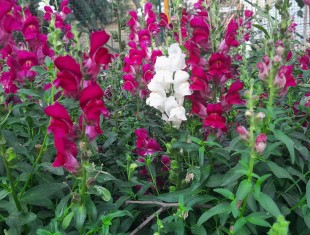
Marigold Cultivation

Description
Marigolds are popular flowers known for their vibrant colors and easy cultivation. Here's a basic guide to cultivating marigolds:
1. Choose the Right Variety: Marigolds come in different sizes and colors. Common varieties include French marigolds (Tagetes patula), African marigolds (Tagetes erecta), and signet marigolds (Tagetes tenuifolia). Select a variety that suits your garden space and preferences. 2. Select a Sunny Location: Marigolds thrive in full sunlight. Choose a spot in your garden that receives at least 6 hours of direct sunlight per day. 3. Prepare the Soil: Marigolds prefer well-drained soil with good fertility. Before planting, loosen the soil to a depth of 6 to 8 inches and amend it with organic matter, such as compost, to improve drainage and nutrient content. 4. Planting: You can start marigolds from seeds indoors 4-6 weeks before the last frost date, or you can sow seeds directly into the garden after the danger of frost has passed. Plant seeds about 1/4 inch deep and space them 6-12 inches apart, depending on the variety. 5. Watering: Keep the soil evenly moist but not waterlogged, especially during dry spells. Water at the base of the plants to avoid wetting the foliage, which can lead to disease. 6. Fertilizing: Marigolds are relatively low-maintenance plants and don't require much fertilizer. However, you can apply a balanced fertilizer once or twice during the growing season to promote healthy growth and blooming. 7. Deadheading: Remove faded flowers regularly to encourage continuous blooming throughout the season. This process, known as deadheading, also helps the plant conserve energy for producing new blooms rather than seed production. 8. Pest and Disease Control: Marigolds are generally resistant to pests and diseases, but they can occasionally be affected by aphids, spider mites, or powdery mildew. Monitor your plants regularly and take appropriate measures if you notice any problems, such as using insecticidal soap for aphids or applying fungicides for powdery mildew. 9. Mulching: Applying a layer of organic mulch, such as straw or shredded leaves, around the base of the plants can help retain soil moisture, suppress weeds, and moderate soil temperature. 10. Harvesting Seeds: If you want to save seeds for future planting, allow some of the flowers to mature and develop seed heads. Once the seed heads dry out and turn brown, collect the seeds and store them in a cool, dry place until you're ready to plant them. With proper care, marigolds can reward you with an abundance of colorful blooms throughout the growing season, attracting beneficial insects and adding beauty to your garden.
Content ID: RM7_00189
Contributor: Arijit Roy
Dimension: 4624x3468 Pixel
Format: JPG
Price: 25
License
It can be used for both Commercial and Personal use after a legitimate purchase from the platform, ranmira.in. Reselling of the digital content will breach the Intellectual Property rights and is strictly prohibited.