Dahlia

Description
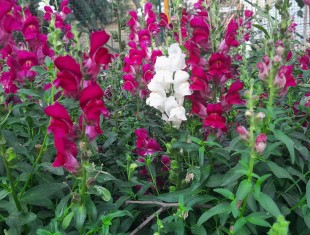
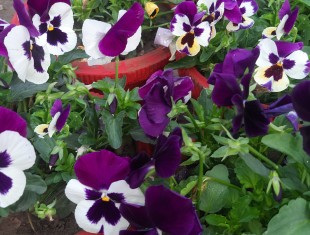
Dahlias are flowering plants that belong to the Asteraceae family, which also includes sunflowers, daisies, and asters. Dahlias are herbaceous perennials, meaning they die back to the ground in winter and regrow from their tuberous roots each spring.
One of the most remarkable features of dahlias is the variety of flower shapes, sizes, and colors they offer. Dahlias come in a wide range of colors, including white, yellow, orange, pink, red, purple, and bi-color combinations. Their flowers can range from small, single blooms to large, dinner-plate-sized flowers, and they exhibit various forms such as cactus, pompon, ball, waterlily, and decorative, among others. Dahlias thrive in full sun and well-drained soil. They are commonly grown in gardens, borders, and containers, and they make excellent cut flowers for bouquets and arrangements due to their long vase life. Dahlias are also popular choices for competitions and exhibitions due to their impressive blooms and wide assortment of varieties. Cultivating dahlias requires proper care, including regular watering, fertilization, and deadheading to encourage continuous blooming. They are susceptible to certain pests and diseases, so monitoring for issues and providing appropriate treatment is essential for maintaining healthy plants.
Content ID: RM7_00122
Contributor: Arijit Roy
Dimension: 4624x3468 Pixel
Format: JPG
Price: 50
License
It can be used for both Commercial and Personal use after a legitimate purchase from the platform, ranmira.in. Reselling of the digital content will breach the Intellectual Property rights and is strictly prohibited.